ar
ar 


اختيار الخيار الصحيح أسطوانة هيدروليكية تلسكوبية يُعدّ اختيار الأسطوانة الهيدروليكية المناسبة أمرًا بالغ الأهمية لكل مشروع. ينبغي مراعاة عوامل مثل طول الشوط، والضغط، وعدد المراحل، وقيود المساحة. وينصح الخبراء بفحص طبيعة العمل، والحمل المطلوب نقله، وجودة كل أسطوانة هيدروليكية. تُستخدم هذه الأسطوانات في منصات الرفع، وشاحنات التفريغ، ومعدات الطرق. تساهم المواد الجيدة والأجزاء المتينة في إطالة عمر الأسطوانة وتحسين أدائها.
أهم النقاط
حدد احتياجات مشروعك قبل اختيار أسطوانة هيدروليكية تلسكوبية. فكّر في أمور مثل وزن الحمولة، والمسافة التي يجب أن تتحركها، والمساحة المتاحة لديك.
اختر نوع الأسطوانة المناسب لعملك. استخدم الأسطوانات أحادية الفعل للمهام السهلة. استخدم الأسطوانات ثنائية الفعل إذا كنت بحاجة إلى مزيد من التحكم.
احرص دائمًا على التحقق من معدل الضغط وحجم التجويف. يسمح التجويف الأكبر للأسطوانة برفع أشياء أثقل بأمان.
اعتني بأسطوانتك بانتظام لتدوم لفترة أطول. افحص الحلقات المانعة للتسرب، وأضف الزيت إلى الأجزاء المتحركة، وحافظ على نظافة المكان لمنع التسربات.
تواصل مع الموردين إذا كنت بحاجة إلى مساعدة أو خيارات خاصة. بإمكانهم مساعدتك في اختيار الأسطوانة الأنسب لاحتياجاتك.
فهم استخدامك للأسطوانات الهيدروليكية التلسكوبية
قبل اختيار أسطوانة هيدروليكية تلسكوبية، عليك التفكير ملياً في مشروعك. فلكل مهمة متطلباتها الخاصة. يجب عليك تحديد مقدار الوزن الذي سترفعه، بالإضافة إلى مدى حركة الأسطوانة. انظر إلى المساحة المتاحة لديك لتركيب الأسطوانة. هذه هي أهم الأمور التي يجب مراعاتها عند اختيار الأسطوانات الهيدروليكية التلسكوبية. كما يجب عليك تحديد مكان استخدام الأسطوانة.
متطلبات الحمل والقوة
من المهم معرفة مقدار الوزن الذي يمكن لآلتك رفعه أو تحريكه. يساعد ذلك في الحفاظ على السلامة وكفاءة العمل. بالنسبة لشاحنات القلاب، يجب عليك:
حدد مكان المفصلة على هيكل الشاحنة.
قم بالقياس من المفصلة إلى منتصف الثقل.
قم بالقياس من المفصلة إلى مكان اتصال الأسطوانة.
استخدم هذه الصيغة: (حمل الوزن بالرطل × المسافة إلى مركز الحمل) ÷ المسافة إلى وصلة الأسطوانة.
تساعدك هذه الحسابات على اختيار أسطوانة هيدروليكية قوية بما يكفي لعملك. يمكنك رؤية الأسطوانات الهيدروليكية التلسكوبية في العديد من الآلات مثل أدوات البناء، وشاحنات النقل، والتعدين، والزراعة.
طول الشوط وعدد المراحل
يجب معرفة مدى امتداد الأسطوانة. طول الشوط هو الفرق بين طولها عند الفتح وطولها عند الإغلاق. إذا تطلب عملك تحريك الأسطوانة لمسافة طويلة، فقد تحتاج إلى مراحل إضافية. تتميز الأسطوانات التلسكوبية بقدرتها على التمدد لمسافات طويلة مع الحفاظ على حجمها الصغير عند الإغلاق، مما يجعلها مناسبة للرافعات والمنصات المتحركة.
المساحة، التركيب، والارتفاع عند الطي
تحقق من المساحة التي ترغب في وضع الأسطوانة فيها. تُعدّ الأسطوانات الهيدروليكية التلسكوبية مثالية للمساحات الصغيرة، فهي تناسب الأماكن التي لا تتسع للأسطوانات العادية. يمكنك إيجادها في رافعات المنصات، ورافعات التفريغ، وغيرها من الآلات المتحركة. حجمها الصغير يوفر المساحة ويسمح لها بالتمدد لمسافات أطول. عليك أيضًا التفكير في كيفية تركيب الأسطوانة وطولها عند إغلاقها للتأكد من ملاءمتها لعملك.
ملحوظة: تؤثر درجة الحرارة والرطوبة على أداء أسطوانة الغاز. فالحرارة المرتفعة قد تُسبب تسربات وتلفًا، بينما البرد قد يُبطئ حركة الأسطوانة ويجعلها صعبة النقل. لذا، تأكد دائمًا من فحص المكان الذي ستستخدم فيه الأسطوانة قبل شرائها.
أنواع الأسطوانات التلسكوبية واستخداماتها
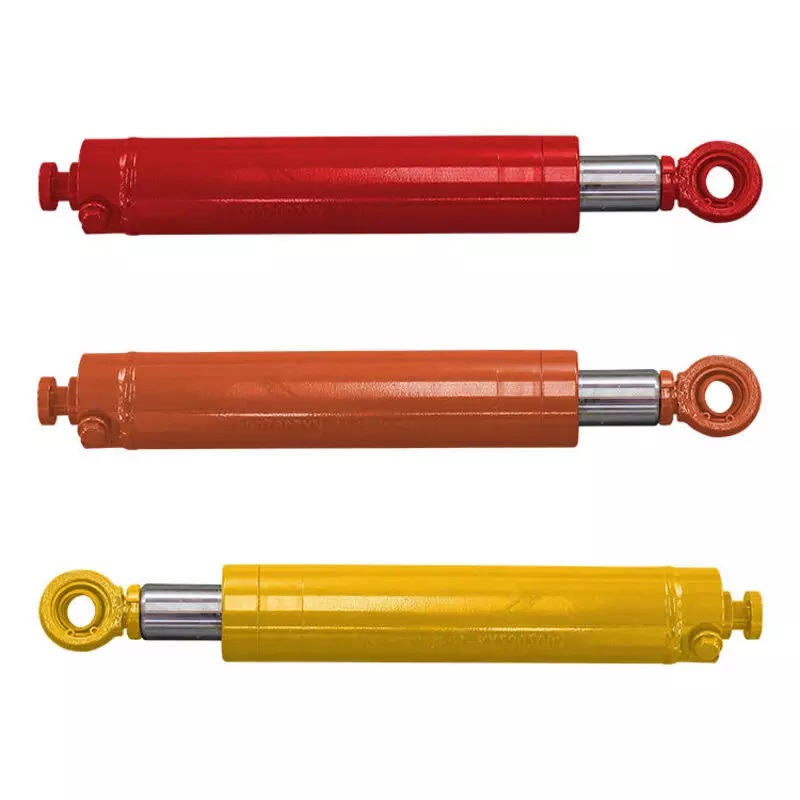
أحادي المفعول مقابل ثنائي المفعول
يوجد نوعان رئيسيان من الأسطوانات التلسكوبية. تستخدم الأسطوانات الهيدروليكية أحادية الفعل الضغط لدفع الأسطوانة للخارج، ثم تسحبها الجاذبية أو قوة أخرى للداخل. وتُستخدم هذه الأسطوانات في شاحنات التفريغ ومنصات الرفع. أما الأسطوانات الهيدروليكية ثنائية الفعل، فتستخدم الضغط لدفع الأسطوانة وسحبها، مما يوفر تحكمًا أكبر وحركة أسرع. وتُستخدم هذه الأسطوانات بكفاءة في آلات مثل الرافعات والحفارات.
نصيحة: استخدم أسطوانات أحادية الفعل لتسهيل عمليات الرفع. اختر أسطوانات ثنائية الفعل إذا كنت ترغب في مزيد من التحكم أو السرعة.
خيارات الأسطوانات متعددة المراحل
تتميز الأسطوانات الهيدروليكية التلسكوبية متعددة المراحل بقدرتها على الوصول إلى مسافات بعيدة مع الحفاظ على حجمها الصغير. تُستخدم هذه الأسطوانات عندما تكون المساحة ضيقة وتحتاج إلى شوط طويل. يوضح الجدول أدناه أكثر استخدامات الأسطوانات متعددة المراحل شيوعًا:
صناعة | وصف التطبيق |
|---|---|
النفط والغاز | تُستخدم لتحميل وتفريغ المعدات الثقيلة وأدوات الحفر والوقود، مما يتيح الوصول إلى ارتفاعات أو أعماق كبيرة. |
بناء | ضروري لرفع ونقل المواد الثقيلة في معدات مثل الحفارات والرافعات وشاحنات التفريغ. |
إدارة النفايات | يُعدّ هذا النظام أساسياً لجمع النفايات وإعادة تدويرها بكفاءة، مما يوفر كفاءة في استخدام المساحة وتحكماً دقيقاً. |
زراعة | يعزز الأداء والكفاءة في الآلات الزراعية، مما يسمح بتنفيذ مهام متعددة الاستخدامات. |
تُستخدم الأسطوانات التلسكوبية في العديد من الصناعات. وتساعدك الأسطوانات متعددة المراحل على رفع ودفع ونقل الأشياء الثقيلة بسهولة.
ملاءمة التطبيق
عليك اختيار الأسطوانة المناسبة لعملك. يوضح الجدول أدناه أهم الأمور التي يجب مراعاتها عند اختيار الأسطوانات الهيدروليكية التلسكوبية:
عامل | وصف |
|---|---|
وزن | قم بقياس ووزن الجسم لتحديد قدرة الدفع اللازمة للأسطوانة. |
مسافة السفر | قم بقياس طول الشوط المطلوب للأسطوانة للتأكد من قدرتها على التمدد والانكماش بشكل كافٍ. |
الظروف البيئية | ضع في اعتبارك درجة الحرارة والرطوبة والتعرض للمواد الكيميائية التي يمكن أن تؤثر على الأداء وطول العمر. |
خيارات المواد | تتميز المواد المختلفة (الفولاذ، والألومنيوم، والمطاط الصناعي) بمزايا وعيوب فريدة. |
اعتبارات الصيانة | يُعد الفحص والصيانة المنتظمان أمراً بالغ الأهمية لضمان طول عمر الأسطوانة وأدائها. |
ينبغي عليك دراسة أنواع الأسطوانات التلسكوبية واحتياجاتك. احرص دائمًا على التحقق من الوزن، وطول الشوط، وظروف التشغيل. سيساعدك هذا على اختيار الأسطوانة الأنسب ويضمن استمرار عمل آلاتك بكفاءة.
تقييم متطلبات الضغط والقوة
عند اختيار الأسطوانات الهيدروليكية، يجب التحقق من مقدار الضغط والقوة التي تتحملها. يساعدك هذا على اختيار أسطوانة آمنة وفعالة. ينبغي عليك مراعاة تصنيف الضغط، وقطر التجويف، وقطر القضيب، ومادة صنع الأسطوانة.
تصنيف الضغط وحجم التجويف
تحقق دائمًا من تصنيف الضغط قبل شراء أسطوانة هيدروليكية. يُشير تصنيف الضغط إلى مقدار القوة التي تتحملها الأسطوانة قبل أن تنكسر. إذا كنت ترغب في رفع أشياء ثقيلة، فانظر إلى قطر الأسطوانة. يسمح القطر الأكبر للأسطوانة بتحمل وزن أكبر. عندما يكون القطر أكبر، تستطيع الأسطوانة الدفع بقوة أكبر. وهذا أمر بالغ الأهمية للآلات التي ترفع أحمالًا ثقيلة.
نصيحة: اختر قطر التجويف المناسب للوزن الذي تحتاج إلى رفعه. كلما كان قطر التجويف أكبر، زادت قوتك.
قطر القضيب والقطر الخارجي
يُعدّ قطر قضيب الأسطوانة عاملاً مهماً في تحديد مقدار الوزن الذي يمكن للأسطوانة رفعه. فقضيب أكبر حجماً يمنع الأسطوانة من الانحناء أثناء الأشواط الطويلة. أما إذا كان القضيب صغيراً جداً، فقد ينحني عند رفع أوزان ثقيلة. كما يؤثر حجم القضيب وقطر الأسطوانة معاً على سرعة سحب الأسطوانة للخلف. فقضيب أكبر حجماً مقارنةً بقطر الأسطوانة قد يُسرّع من حركة الأسطوانة للخلف، ولكنه قد يُقلّل من قوة السحب. يجب أيضاً مراعاة أعلى ضغط ستواجهه الأسطوانة، لأن ذلك يؤثر على مقدار الوزن الذي يمكنها رفعه.
تحقق من قطر القضيب للوظائف التي تتطلب أشواطًا طويلة.
تأكد من أن حجم القضيب يتناسب مع قطر التجويف والضغط للحصول على أفضل النتائج.
مقاومة المواد والتآكل
فكّر في المواد المصنوع منها الأسطوانة وكيف تُفيد. فالمادة المناسبة تُطيل عمر الأسطوانة، حتى في الظروف القاسية. إذا كنت تستخدم الأسطوانات بالقرب من الماء أو المواد الكيميائية، فأنت بحاجة إلى مقاومة جيدة للتآكل. يوضح الجدول أدناه أفضل المواد للاستخدام بالقرب من الماء:
مادة | مقاومة التآكل | خصائص إضافية |
|---|---|---|
الفولاذ المقاوم للصدأ | ممتاز | قوي، متين، ومناسب للأعمال الشاقة. |
فولاذ مطلي بالكروم | جيد | يدوم طويلاً، وينزلق بسهولة، ويدوم لفترة أطول. |
الألومنيوم | ممتاز | سهل التشكيل، يبرد بسرعة، ويتحمل الظروف القاسية. |
ملحوظة: اختر الفولاذ المقاوم للصدأ أو الألومنيوم إذا كنت ترغب في أفضل حماية من الصدأ. أما الفولاذ المطلي بالكروم فهو خيار جيد إذا كنت بحاجة إلى عمر أطول.
عند فحص احتياجات الضغط والقوة، فإنك تتأكد من أن الأسطوانة الهيدروليكية تناسب عملك وتدوم لفترة طويلة.
اختيار الأسطوانة المناسبة والأخطاء الشائعة
مطابقة الأسطوانة مع التطبيق
يجب عليك اختيار الأسطوانة الهيدروليكية التلسكوبية المناسبة لعملك. أولاً، حدد ما إذا كنت بحاجة إلى أسطوانة قياسية أم مصممة خصيصًا. تتطلب بعض الأعمال أسطوانات خاصة، بينما تستخدم أعمال أخرى أسطوانات عادية. فكّر في وظيفة الأسطوانة، مثل الرفع أو التفريغ. تحقق من كيفية توصيل الأسطوانة عند القاعدة. قد تجد عروات مثقوبة أو حوامل أنبوبية عرضية. انظر أيضًا إلى حامل طرف القضيب. تحتوي بعض الأسطوانات على قضبان مثقوبة، بينما تستخدم أخرى محامل كروية.
فيما يلي الخطوات الرئيسية لاختيار الأسطوانة:
اختر بين الأسطوانة القياسية أو الأسطوانة المصممة حسب الطلب.
فكر في العمل، مثل الرفع أو الإفراغ.
تحقق من نوع قاعدة التثبيت الطرفية.
انظر إلى موضع تثبيت طرف القضيب.
نصيحة: تأكد دائمًا من متطلبات معداتك قبل اختيار الأسطوانة الهيدروليكية. فهذا يساعدك على تجنب المشاكل لاحقًا.
إذا لم تُطابق الأسطوانة مع طبيعة عملك، فقد لا تعمل بكفاءة. وقد يتآكل نظامك الهيدروليكي بسرعة أكبر. كما قد تتعرض لأعطال في النظام تُوقف عملك.
تجنب أخطاء المقاسات والمواصفات
قد يؤدي اختيار أسطوانة ذات حجم خاطئ إلى مشاكل كبيرة. فإذا كانت الأسطوانة صغيرة جدًا، فلن تتحمل الحمل، مما قد يؤدي إلى كسرها ومشاكل تتعلق بالسلامة. لذا، اختر دائمًا أسطوانة تتحمل حملاً يزيد بنسبة 20% على الأقل عن الحمل المطلوب. تأكد من متانة أجزاء الدعم. يحدث التحميل الجانبي عندما لا يكون الحمل مستقيمًا على المكبس، مما قد يُلحق الضرر بالأسطوانة ويتسبب في حوادث.
الأخطاء الشائعة هي:
هياكل دعم ضعيفة
التحميل الجانبي
أجزاء صغيرة جدًا
عدم التفكير في البيئة
قطر ذراع المكبس غير صحيح
عدم مراعاة أحمال الصدمات
قد يؤدي اختيار الحجم غير المناسب للأسطوانة إلى انخفاض كفاءتها، مما قد يزيد من استهلاكها للطاقة وتكاليف تشغيلها، بالإضافة إلى زيادة الحاجة إلى الصيانة نتيجةً للتآكل الزائد. كما أن الأحمال الجانبية قد تتسبب في خلل في أداء المعدات ووقوع حوادث. كذلك، قد تجعل القوى غير المتساوية النظام الهيدروليكي غير آمن.
اقتباس من الفقرة:
قد يُكلّف استخدام أسطوانة هيدروليكية ذات قطر وطول غير مناسبين الكثير. تقع الشركات في مشاكل عندما تختار أسطوانة تبدو مناسبة ظاهريًا ولكنها ليست قوية بما يكفي. استخدام أسطوانة غير مصممة لعملك أو صناعتك أمرٌ محفوف بالمخاطر، فقد يُؤذي الأفراد، ويُتلف الممتلكات، ويجعل العمل خطيرًا.
تأكد دائمًا من مراجعة بيانات الشركة المصنعة للتأكد من توافق القطع. راجع الضغط، ومعدل التدفق، ونوع السائل، ودرجة الحرارة. استخدم محولات إذا كنت بحاجة إلى منافذ مختلفة. استشر مهندسًا هيدروليكيًا قبل تغيير أو ترقية أي قطعة. اختبار الأداء ضروري للسلامة والامتثال للوائح.
اعتبارات الصيانة والدعم
الصيانة الدورية تحافظ على سلامة جهازك الأسطوانات الهيدروليكية يعمل بشكل جيد. يجب فحص موانع التسرب بانتظام لاكتشاف أي تآكل وإيقاف التسريبات. قم بتشحيم الأجزاء المتحركة لتقليل الاحتكاك. احرص على إبعاد الأوساخ وغيرها من الأشياء لمنع التلوث.
خطوات الصيانة الموصى بها:
افحص الأختام بانتظام.
قم بتشحيم الأجزاء المتحركة.
احفظه بعيداً عن الأوساخ والأشياء الأخرى.
تساعد الصيانة الدورية على إطالة عمر أسطوانتك وتحسين أدائها. باتباع جدول زمني محدد، تتجنب فترات التوقف المكلفة وتحافظ على أسطوانتك في حالة جيدة. يمكن أن تدوم الأسطوانات الهيدروليكية التلسكوبية من 5 إلى 15 عامًا أو أكثر إذا اعتنيت بها جيدًا.
بإمكان الموردين مساعدتك في اختيار أسطوانتك والعناية بها. كما يمكنك الحصول على مساعدة في تصميمها لتناسب مختلف المعدات. وتساعدك نصائح الصيانة على إطالة عمر أسطوانتك. يقدم بعض الموردين تصاميم مخصصة ودعمًا سريعًا. وقد تحصل على ضمان ومساعدة في الإصلاحات. ويتعاون الموردون مع فريقك لإيجاد الحل الأمثل.
ملحوظة: استفسر دائمًا من موردك عن خيارات الدعم والضمان. فالدعم الجيد يُسهّل استبدال الأسطوانات الهيدروليكية ويوفر المال.
تُجري الشركات المصنعة اختبارات على الأسطوانات للتأكد من متانتها وسلامتها. ويتم فحص كل جزء للتأكد من أبعاده وخلوه من العيوب. وتستخدم بعض الاختبارات ضغطًا يصل إلى 10000 رطل لكل بوصة مربعة لضمان سلامة الأسطوانة. وتتوافق وصلات الضغط العالي مع معايير السلامة الصادرة عن الجمعية الأمريكية للمهندسين الميكانيكيين (ASME).
مرحلة الاختبار | وصف |
|---|---|
فحوصات الجودة | يتم فحص كل جزء للتأكد من طوله وخلوه من العيوب أثناء عملية الإنتاج. |
اختبار الأداء | يتم اختبار الأسطوانة للتأكد من أنها تتحرك بشكل جيد وتفي بالمواصفات. |
يساعدك اختيار الأسطوانة المناسبة وإجراء الصيانة الجيدة على تجنب المشاكل والحفاظ على سلامة معداتك.
يمكنك اختيار الأسطوانة الهيدروليكية التلسكوبية المناسبة باتباع خطوات بسيطة. أولاً، حدد متطلبات مشروعك، مثل طول الشوط، وطريقة التركيب، وسرعة الحركة المطلوبة. استخدم قائمة التحقق هذه لمساعدتك:
بند قائمة التحقق | وصف |
|---|---|
طول الشوط | هذه هي المسافة التي يتحركها المكبس؛ تأكد من أنه يناسب عملك ولا يشغل مساحة كبيرة. |
خيارات التركيب | اختر أفضل طريقة لتركيب الأسطوانة، مثل الشفة أو الشوكة، بحيث تبقى ثابتة وتتم محاذاتها بشكل صحيح. |
بيئة التشغيل | انظر إلى أمور مثل الحرارة أو المواد الكيميائية لاختيار المادة المناسبة لأسطوانتك. |
متطلبات السرعة | حدد السرعة التي تحتاجها لفتح وإغلاق الأسطوانة في عملك. |
حدد ما إذا كنت ترغب في أسطوانة هيدروليكية قياسية أم مصممة خصيصًا. وللحصول على أفضل خيار، استشر الموردين أو الخبراء. يمكنك أيضًا الاطلاع على أدلة التدريب للحصول على مزيد من المساعدة لاحقًا.
التعليمات
ما الذي يجعل الأسطوانات الهيدروليكية التلسكوبية مناسبة لرفع الأحمال الثقيلة؟
يمكنك استخدام الأسطوانات الهيدروليكية التلسكوبية للرفع لأنها تتمدد على مراحل. يمنحك هذا التصميم مدى وصول واسع في مساحة صغيرة، مما يوفر قوة رفع عالية للشاحنات القلابة والرافعات وغيرها من الآلات.
كيف أعرف أي أسطوانة هي الأنسب لعملية الرفع التي أقوم بها؟
يجب عليك التحقق من الوزن الذي تحتاج إلى رفعه والمساحة المتاحة لديك. قِس طول شوط الرافعة المناسب لمهمة الرفع. اختر أسطوانة تناسب احتياجاتك في الرفع وتتوافق مع معداتك.
هل يمكنني استخدام أسطوانة واحدة لتطبيقات رفع مختلفة؟
يمكنك استخدام أسطوانة واحدة لعدة مهام رفع إذا كان الوزن والشوط متطابقين. تحقق دائمًا من متطلبات الرفع لكل مهمة. استخدام الأسطوانة الخاطئة للرفع قد يتسبب في تلف أو مشاكل تتعلق بالسلامة.
لماذا يُعد عدد المراحل مهمًا في عملية الرفع؟
تتيح لك المراحل المتعددة رفع الأشياء إلى ارتفاعات أعلى أو مسافات أبعد دون الحاجة إلى أسطوانة طويلة، مما يمنحك مدى رفع أكبر في الأماكن الضيقة، وهو أمر مفيد عند الرفع في الأماكن ذات المساحة المحدودة.
كيف أحافظ على أسطوانة الرفع الخاصة بي تعمل بشكل جيد؟
ينبغي فحص الأختام والأجزاء المتحركة بانتظام. نظّف الأسطوانة واحرص على إزالتها من الأوساخ. قم بتشحيم الأجزاء لتسهيل عملية الرفع. الصيانة الدورية تحافظ على سلامة أسطوانة الرفع وقوتها.


 شبكة IPv6 مدعومة
|
شبكة IPv6 مدعومة
|